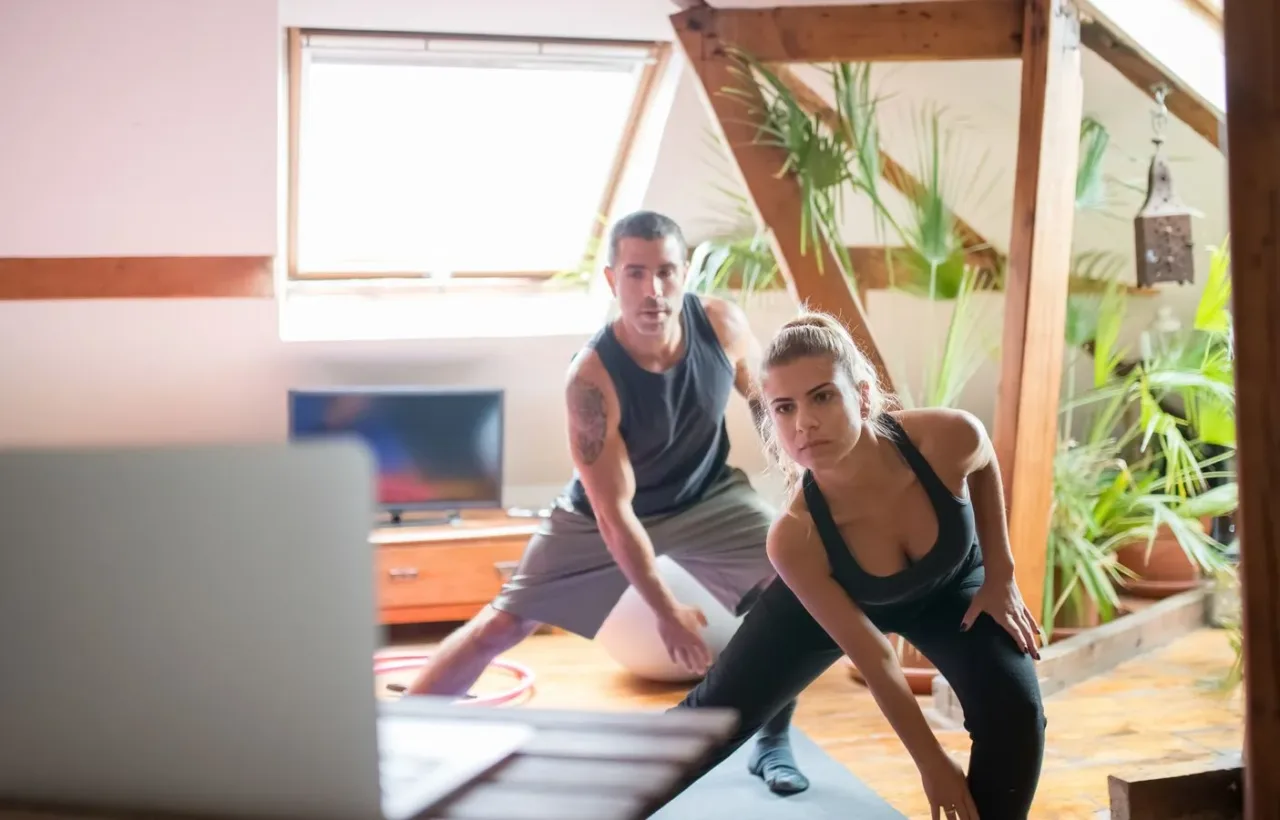

You do not need to do all 14 workout routines at home in one week. Pick two to four that match your goal, time, and equipment, repeat them on non-consecutive days, and you can cover strength, cardio, and mobility without a gym.
That rotation matters because different routines train different patterns. A push routine, a pull routine, a lower-body routine, and a core routine together hit the major muscle groups the CDC lists — legs, hips, back, abdomen, chest, shoulders, and arms — while short cardio and mobility routines fill the gaps on busy or sore days according to the CDC.
How to Choose From These 14 Workout Routines at Home
Choose by goal first, equipment second, and time third. If a routine fits your goal but needs 40 minutes you do not have, you will skip it. A shorter version you repeat is more useful than a longer plan you abandon.
Use these decision rules:
- Choose strength routines 1, 3, 4, 5, 6, 10, or 11 if your main goal is getting stronger.
- Choose routines 2, 8, or 9 if your main goal is moving more, improving fitness, or adding activity on most days.
- Choose routines 7, 12, or 13 if you are starting gently, returning after a break, or need a lower-impact option.
- Choose routine 14 when you want one longer session and shorter sessions during the week.
Adults generally need a mix across the week. The WHO recommends 150 to 300 minutes of moderate-intensity aerobic activity, or 75 to 150 minutes of vigorous-intensity activity, plus muscle-strengthening activities on 2 or more days a week. Moderate intensity means you can talk but not sing during the activity. Vigorous intensity means talking in full sentences feels hard.
| Routine | Time | Equipment | Main focus | Best starting level |
|---|---|---|---|---|
| 1. Beginner Full-Body Starter | 25-30 min | Chair | Full-body strength | Beginner |
| 2. 10-Minute Morning Wake-Up | 10 min | None | Light cardio and mobility | Beginner |
| 3. Upper-Body Push | 20-25 min | None or dumbbells | Chest, shoulders, triceps | Beginner to intermediate |
| 4. Upper-Body Pull | 20-25 min | Band, backpack, or sturdy table | Back and biceps | Beginner to intermediate |
| 5. Lower-Body Strength | 25-30 min | Chair, optional dumbbells | Quads, hamstrings, calves | Beginner to intermediate |
| 6. Glutes and Hips | 20-25 min | None or band | Glutes and hips | Beginner |
| 7. Core Stability | 15-20 min | Mat or towel | Abdomen and back support | Beginner |
| 8. Low-Impact Cardio | 20-30 min | None | Cardio without jumping | Beginner |
| 9. Interval Cardio | 15-20 min | None | Vigorous cardio | Intermediate |
| 10. Dumbbell Full-Body | 30-40 min | Dumbbells | Full-body strength with load | Intermediate |
| 11. Resistance Band Full-Body | 25-30 min | Resistance band | Full-body strength, portable | Beginner to intermediate |
| 12. Chair-Based Strength | 20 min | Solid, stable chair | Accessible strength | Beginner |
| 13. Mobility and Flexibility | 15-20 min | Chair or mat | Joint movement and stiffness | All levels |
| 14. Weekend Circuit | 35-45 min | Optional dumbbells or band | Strength and cardio combined | Intermediate |
The 14 Routines, With Sets, Reps, and Form Cues
Do a 3 to 5 minute warm-up before strength and interval routines: march in place, do easy sit-to-stands, circle your shoulders, and move the joints you will use. Rest 30 to 90 seconds between sets unless a routine says otherwise.
For strength moves, the CDC guidance is practical: do 8 to 12 repetitions per set, work to the point where another clean rep would be hard, and do at least 1 set, with 2 to 3 sets giving more benefit for most people according to the CDC.
1. Beginner Full-Body Starter
Do 2 rounds, resting 1 minute between rounds.
- Sit-to-stand from a chair: 8-10 reps
- Wall or counter push-up: 8-12 reps
- Glute bridge: 10-12 reps
- Supported row with a band or backpack: 8-10 reps per side if needed
- Dead bug: 6-8 reps per side
The NHS strength exercises guide uses sit-to-stand as a starting move and suggests aiming for 5 reps at first and building up slowly. Use a solid, stable chair without wheels, keep your feet flat, and hold the chair for balance if you need it.
2. 10-Minute Morning Wake-Up
Work for 40 seconds, rest for 20 seconds, and complete 2 rounds.
- March in place
- Mini-squat, only as deep as feels comfortable
- Standing knee lift, alternating sides
- Wall push-up
- Gentle standing side bend and reach
This routine is for waking up movement, not for maximum effort. Skip it as your only exercise if your goal is strength, because it does not load muscles enough to replace the strength routines.
3. Upper-Body Push
Do 3 rounds.
- Push-up progression — wall, hands on a counter or chair, knees, or floor: 6-12 reps
- Pike push-up, only if standard push-ups feel controlled: 5-8 reps
- Chair dip with bent knees, using a stable chair: 6-10 reps
- Floor press with dumbbells or full water bottles: 8-12 reps
Choose the push-up version where you can keep your body in one line and lower with control. Making the surface higher makes the move easier because less of your body weight is over your hands.
4. Upper-Body Pull
Pulling is the pattern most home routines miss, because there is no obvious bodyweight move without equipment. A band, a loaded backpack, or a sturdy table solves that problem.
Do 3 rounds.
- Band row or backpack bent-over row: 8-12 reps
- Table row under a very sturdy table, only if it does not move or tip: 6-10 reps
- Prone Y raise lying face down: 8-10 reps
- Reverse snow angel lying face down: 8-10 reps
Do not hang from doors, door frames, or furniture that is not rated for body weight. If a table moves, use the band or backpack version instead.
5. Lower-Body Strength
Do 3 rounds.
- Bodyweight squat or sit-to-stand: 8-12 reps
- Supported reverse lunge or split squat holding a chair: 6-8 reps per leg
- Romanian deadlift pattern with body weight or dumbbells: 8-12 reps
- Standing calf raise: 12-15 reps
For the hinge move, push your hips back, keep your back flat, and stop when you feel a stretch in the back of your thighs. You are learning hip movement, not trying to touch the floor.
6. Glutes and Hips
Do 3 rounds.
- Glute bridge: 12-15 reps, pause 1 second at the top
- Hip thrust with shoulders on a sofa or sturdy chair: 10-12 reps
- Step-up onto a low, stable step: 6-8 reps per leg
- Side-lying leg lift or standing leg lift holding a chair: 10-12 reps per side
Single-leg moves such as step-ups are demanding because one leg does most of the work. Start with a low step and use support until your balance is steady.
7. Core Stability
Do 2 to 3 rounds, moving slowly.
- Dead bug: 6-8 reps per side
- Bird dog: 6-8 reps per side
- Side plank from the knees or feet: 20-40 seconds per side
- Glute bridge with a steady brace: 10 reps
Core stability means resisting unwanted movement, not doing fast crunches. Keep your lower back in a comfortable, neutral position and breathe out as you move a limb away from your centre.
8. Low-Impact Cardio
Work for 45 seconds, rest for 15 seconds, and complete 3 to 4 rounds. Keep one foot on the floor at all times.
- March in place with arm swings
- Step touch side to side
- Low step-up or toe tap on a step
- Standing shadow boxing
- Heel digs forward, alternating sides
This counts toward moderate activity if your breathing rises and you can talk but not sing. It is a good choice if jumping bothers your knees, ankles, or pelvic floor, or if you train in an apartment.
9. Interval Cardio
Work for 30 seconds, rest for 30 seconds, and complete 3 rounds. Take 1 extra minute between rounds if you need it.
- Fast squat to calf raise, or squat only as deep as is comfortable
- Mountain climber, slow or fast
- Skater step side to side, without jumping if needed
- Burpee without the jump, or walk-out to plank
Intervals are vigorous work, so keep them to 1 or 2 sessions a week at first and place them away from lower-body strength days. If you cannot speak more than a few words, ease off.
10. Dumbbell Full-Body
Do 3 rounds.
- Goblet squat holding one dumbbell at your chest: 8-12 reps
- Floor press: 8-12 reps
- One-arm row: 8-12 reps per side
- Romanian deadlift: 8-12 reps
- Overhead press, only with a weight you can lift without arching your back: 6-10 reps
Mayo Clinic strength training guidance suggests choosing a weight or resistance that tires your muscles after about 12 to 15 repetitions. If you can do many more reps with good form, the load is likely too light for strength. If your form breaks down early, it is too heavy.
11. Resistance Band Full-Body
Do 2 to 3 rounds.
- Band squat or sit-to-stand with a band above your knees: 10-12 reps
- Band chest press anchored safely or wrapped around your back: 8-12 reps
- Band row: 10-12 reps
- Band Romanian deadlift: 10-12 reps
- Pallof press, pressing the band straight out from your chest and resisting rotation: 8 reps per side
Check the band for tears before each session and never anchor it to something sharp or unstable. A band that snaps can cause injury, so replace worn bands.
12. Chair-Based Strength
Do 2 rounds, resting as needed. Use a solid, stable chair without wheels, as recommended in the NHS strength exercises guide.
- Sit-to-stand, using hands if needed: 5-10 reps
- Seated knee extension: 8-10 reps per leg
- Seated marching: 20-30 seconds
- Chair-supported calf raise: 10-12 reps
- Chair-supported mini-squat: 5-8 reps
This routine is not an easy afterthought. For someone who has been inactive, sit-to-stand trains the exact movement needed to get up from a chair, toilet, or low seat.
13. Mobility and Flexibility
Move slowly for 40 to 60 seconds per move, for 2 rounds. Stretch to mild tension, not pain.
- Neck turns and shoulder rolls
- Cat-cow on hands and knees or seated
- Seated or standing hip opener
- Calf stretch against a wall
- Chest opener holding a door frame lightly, without forcing the shoulder
Use this routine on rest days or after other routines. It does not replace strength or cardio, but it can make those sessions feel easier to start.
14. Weekend Circuit
Do 3 to 4 rounds, resting 1 to 2 minutes between rounds.
- Squat or sit-to-stand: 10 reps
- Push-up progression: 8-10 reps
- Reverse lunge or split squat: 6 reps per leg
- Band or backpack row: 10 reps
- Dead bug: 8 reps per side
- March or step in place: 60 seconds
Keep one round in reserve on this circuit. Stop a set when your form gets sloppy, even if the rep target is not reached. Fatigue changes movement quality first, and that is the signal to rest.
A Simple Week That Uses Only 3 or 4 Routines
You do not need a different routine every day. Repeating the same strength routine lets you notice progress, such as an extra rep or a steadier split squat.
| Day | Session |
|---|---|
| Monday | Routine 1, 5, or 10 — full-body or lower-body strength |
| Tuesday | Routine 8 or a walk — low-impact cardio |
| Wednesday | Rest or Routine 13 — mobility |
| Thursday | Routine 3 + 4, or Routine 11 — upper-body or band strength |
| Friday | Rest |
| Saturday | Routine 14 — weekend circuit, or Routine 9 if time is short |
| Sunday | Rest or Routine 13 — mobility |
Mayo Clinic also advises resting one full day before training the same specific muscle group again, which is why the same hard strength routine is not repeated on back-to-back days according to Mayo Clinic. You can still move on the day between, with walking, mobility, or light cardio.
If you have been inactive for a long time or have a medical condition, the NHS physical activity guidelines for adults aged 19 to 64 advise speaking to a GP first before starting vigorous exercise. Build up time and difficulty slowly rather than jumping to the full schedule in week one.
How to Progress Without Adding Equipment
Progress one variable at a time so you know what made the routine harder.
- Add reps first, staying inside the range given.
- Add a set, up to 3 sets for most strength moves.
- Slow the lowering part to 3 seconds.
- Use a harder version, such as moving from a wall push-up to a counter push-up.
- Add load, such as a heavier backpack or dumbbell.
The ACSM position stand on progression models in resistance training recommends 8 to 12 RM for novice training, meaning a load you can lift for 8 to 12 good repetitions, and small increases of about 2 to 10 percent when you can do 1 to 2 reps over your target. At home, that translates to a small step: one more rep, then a slightly heavier bag or band, not a large jump.
Stop progressing a move if pain is sharp, gets worse during the session, or changes how you walk or use a joint the next day. Muscle effort and next-day soreness can be normal for beginners, but joint pain is a reason to change the exercise, reduce the range, or get checked.
Mistakes That Make Home Routines Stop Working
- Doing a new routine every session. Variety helps interest, but repeating a routine for 3 to 4 weeks lets you practise form and progress load.
- Skipping pulling moves. Push-ups alone do not train the back well. Include a row in at least two sessions a week.
- Going as deep or as fast as possible on day one. Use the range you can control. Add depth or speed only after the basic version is steady.
- Training through poor sleep or illness. Do a mobility or chair routine, walk, or rest. A missed hard session is better than turning a minor illness or strain into a longer break.
- Using unstable furniture. Chairs for dips, step-ups, and support must be solid, stable, and placed against a wall if there is any risk of sliding.
This is general fitness information, not medical advice for your specific condition. If you have chest pain, severe breathlessness, dizziness, a recent injury, are pregnant or recently postpartum, or have a condition that affects exercise, get advice from your clinician or a qualified physiotherapist before following the interval, dip, or loaded routines above. Stop and seek help promptly if exercise causes chest pain, faintness, or severe shortness of breath.
Choosing Between These Routines: Questions Answered
Do I need to do all 14 routines?
No. Pick two to four routines that cover strength for the whole body, add walking or cardio on other days, and repeat them for several weeks. Doing all 14 in rotation can work later, but it makes progress harder to track at the start.
How many days a week should a beginner train?
Start with 2 strength days and 2 to 3 shorter movement days, such as walking, low-impact cardio, or mobility. That pattern helps you work toward the WHO target of muscle-strengthening on 2 or more days, without needing hard sessions every day.
Can I build strength without dumbbells?
Yes, to a point, by using harder bodyweight versions, slower lowering, more reps, and single-leg moves. Your muscles respond to effort close to their current limit, but once bodyweight moves feel easy for high reps, a band, backpack, or dumbbells gives you a clearer way to add load.
Which routine is best if I have bad knees?
Start with the chair-based routine, glutes and hips with a small range, and low-impact cardio, and avoid deep lunges, jumping, and step-ups that cause pain. Knee problems have many causes, so persistent, swelling, locking, or worsening pain needs an in-person assessment rather than a general routine.
How long before I notice a change?
You may notice that moves feel more familiar and stable within a few weeks of regular practice, but strength and body changes vary with starting level, sleep, food, and consistency. No routine here can promise a specific result or timeline.
Related Home Workouts
- 9 Workout Routines for Beginners at Home
- 10 Weekly Workout Routines at Home
- 10 Abs Workout Routines at Home to Build a Stronger Core Without a Gym
How This Guide Was Put Together
This guide is based on the WHO physical activity recommendations, CDC guidance on what counts as muscle-strengthening activity, NHS strength and activity guidelines, Mayo Clinic strength training guidance, and the ACSM position stand on progression in resistance training linked above. It does not claim personal testing, expert review, or individual results.
Sources
- World Health Organization. Physical activity fact sheet.
- Centers for Disease Control and Prevention. What Counts as Physical Activity for Adults.
- NHS. Strength exercises.
- NHS. Physical activity guidelines for adults aged 19 to 64.
- Mayo Clinic. Strength training: Get stronger, leaner, healthier.
- American College of Sports Medicine. Progression models in resistance training for healthy adults — position stand, 2009.


