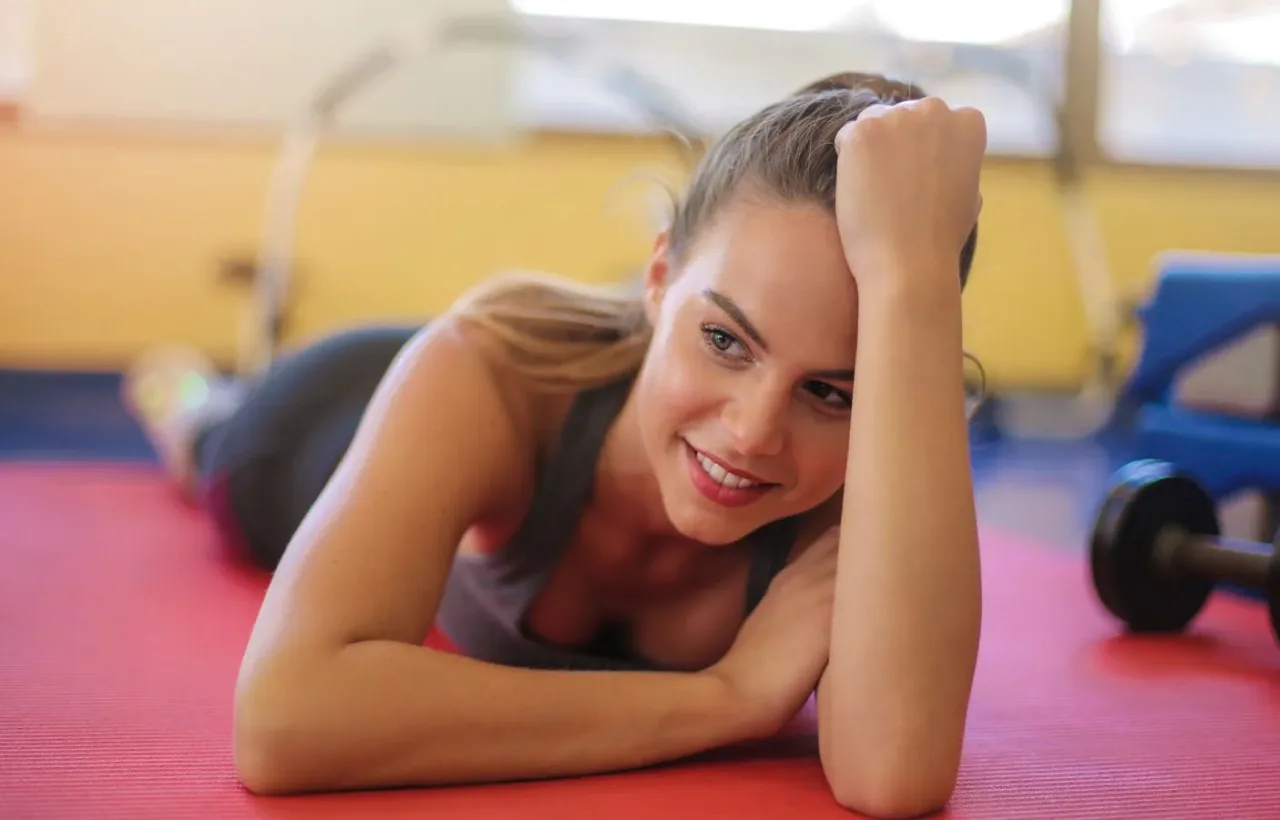

A home dumbbell workout can train every major muscle group in 30 to 40 minutes, two or three times a week, with no bench, rack, or other gym equipment. You need one pair of dumbbells, a clear patch of floor, and a plan that covers legs, hips, back, chest, abdomen, shoulders, and arms. That list of muscle groups comes from the CDC, which counts lifting weights as muscle-strengthening activity when it is done to the point where another repetition would be hard to do without help, according to the CDC guide to what counts as physical activity for adults.
After reading, you will know how to choose a starting weight, how to do the core moves, and how to make the same weights harder over time. The plan below suits most beginners because it repeats a small set of movements instead of changing every week.
What a Home Dumbbell Workout Needs to Cover
A complete home dumbbell workout works all the major muscle groups, not just the arms. If a plan has no pulling move and no hip move, it is not a full-body plan.
For adults, the WHO recommends muscle-strengthening activities at moderate or greater intensity that involve all major muscle groups on 2 or more days a week, alongside 150–300 minutes of moderate-intensity aerobic activity or 75–150 minutes of vigorous-intensity aerobic activity per week, according to the WHO physical activity fact sheet. Dumbbell training can cover the strength part of that guidance. Walking, cycling, or other aerobic work still needs to be added on other days or after shorter sessions.
The CDC gives a practical target for each exercise: try 8–12 repetitions per activity, which counts as one set, do at least one set, and do two or three sets for more benefit, according to the CDC guide to what counts as physical activity for adults. Use that range to judge weight, effort, and progress.
How Much Weight Should You Start With?
Choose a weight you can lift for 8–12 controlled repetitions, with the last two repetitions feeling hard while your form stays steady. If you can do 15 easy repetitions, the weight is likely too light for strength work. If you cannot reach 6 repetitions without swinging, holding your breath, or shortening the movement, it is likely too heavy.
Mayo Clinic gives a similar test: choose a weight heavy enough to tire your muscles after about 12 to 15 repetitions, and increase it gradually when that becomes easier, according to Mayo Clinic guidance on strength training. The two ranges overlap, and the shared point matters more than the exact number. The set should feel demanding, not sloppy.
Starting ranges vary a lot by exercise and by person. A weight that feels light for a squat may feel heavy for an overhead press, because legs are usually stronger than shoulders. Use this table to decide what to buy or borrow first.
| Option | Choose it if | Limit to know |
|---|---|---|
| One light pair, about 5–15 lb (2–7 kg) | You are new, returning after a break, or most of your training will be presses, rows, and curls | Leg exercises will outgrow it quickly |
| One medium pair, about 15–25 lb (7–11 kg) | You already do bodyweight squats and push-ups comfortably | It may be too heavy for beginner overhead presses |
| Adjustable dumbbells | You have limited space and want one set to cover legs and upper body for months | They cost more at the start and changes between exercises are slower |
| A single dumbbell | That is what you own now | Use one-arm rows, goblet squats, and single-side presses, and swap sides each set |
Start lighter than you think you need for the first week. The first goal is to learn the movement pattern, because poor form with a heavy weight raises the chance of strain and makes it hard to tell which muscle is doing the work.
Before You Lift: A Short Safety Check
This plan is for generally healthy adults who can get up from the floor, climb stairs, and lift light objects without pain. If you are pregnant or recently postpartum, have had recent surgery, or live with a heart condition, uncontrolled blood pressure, joint problems, or back pain, talk to a doctor or physical therapist before starting and adapt the plan to their advice. This article is general education, not personal medical advice.
Stop an exercise if you feel sharp pain, chest pain, dizziness, or unusual shortness of breath, and seek medical help for concerning symptoms. Normal effort, muscle burning, and mild soreness in the next day or two are different from joint pain or pain that changes how you move. If pain appears, reduce the weight, reduce the range of motion, or leave that move out and try again in a few days, as Mayo Clinic advises in its strength training guidance.
The Plan: Two Full-Body Sessions a Week
Do Workout A and Workout B on non-consecutive days, for example Monday and Thursday. If you want a third day after at least three weeks of consistent training, repeat Workout A the next week and Workout B twice, so the extra work is spread out. Rest one full day between exercising each specific muscle group, as Mayo Clinic recommends in its strength training guidance.
Warm up for 5 to 10 minutes with brisk walking, marching in place, or another aerobic activity, plus a few easy bodyweight squats and arm circles. Mayo Clinic notes that cold muscles are more prone to injury than warm muscles and recommends that warm-up length in its strength training guidance. Rest 60 to 90 seconds between sets, and longer if you need it to keep good form.
| Workout A | Sets and reps | Main area |
|---|---|---|
| Goblet squat | 2–3 sets of 8–12 | Legs and hips |
| Floor press | 2–3 sets of 8–12 | Chest, shoulders, and arms |
| One-arm row | 2–3 sets of 8–12 each side | Back and arms |
| Dead bug | 2 sets of 6–10 each side | Abdomen |
| Workout B | Sets and reps | Main area |
|---|---|---|
| Dumbbell Romanian deadlift | 2–3 sets of 8–12 | Hips and back of legs |
| Overhead press | 2–3 sets of 6–12 | Shoulders and arms |
| Supported reverse lunge | 2 sets of 6–10 each side | Legs and hips |
| Dumbbell glute bridge | 2–3 sets of 10–15 | Hips |
Do the exercises in the order shown. Larger, multi-joint moves come first because they need the most control and energy. Smaller or floor-based moves come later, when you are more tired but in a more stable position.
How to Do the Core Moves
Goblet squat
Hold one dumbbell vertically at your chest with both hands. Stand with feet about hip-width apart, sit your hips down and back, then stand up by pushing the floor away.
Keep your whole foot on the floor and your knees tracking in the same direction as your toes. Use a chair behind you as a target if you tend to lean forward. The NHS advises using a solid, stable chair without wheels for chair-based strength work and building up slowly, according to its home strength exercises.
Floor press
Lie on your back with knees bent and feet flat. Hold a dumbbell in each hand above your chest, lower your upper arms until they lightly touch the floor, then press up again.
The floor limits how far your elbows drop, which makes this a useful press for home training without a bench. Breathe out as you press and breathe in as you lower, rather than holding your breath, as Mayo Clinic advises for weight training.
One-arm row
Stand in a short staggered stance and rest your free hand on a stable chair or your front thigh. Hold the dumbbell in the other hand, let it hang below your shoulder, then pull it toward your ribs and lower it slowly.
Pull with your back first, not just your arm. If you feel the move mostly in your neck or you have to twist to lift it, the weight is too heavy for that set.
Dead bug
Lie on your back with arms pointing up and knees bent above your hips. Brace your abdomen, then slowly extend one arm and the opposite leg, return, and swap sides.
Keep your lower back in the same position throughout. If your back arches as the leg moves, shorten the reach. This move trains the abdomen to stay steady while your limbs move, which is useful for lifting and carrying.
Dumbbell Romanian deadlift
Hold a dumbbell in each hand in front of your thighs. Soften your knees, push your hips back until you feel a stretch in the back of your thighs, then stand tall by squeezing your hips forward.
Keep the dumbbells close to your legs and your back flat. This is a hip hinge, not a squat, so your hips move back more than your knees bend. Start light because hamstring soreness after this move can be strong for beginners.
Overhead press
Stand tall and hold the dumbbells at shoulder height with palms facing in or forward. Press them overhead until your arms are straight but your elbows are not locked hard, then lower with control.
Brace your abdomen and squeeze your hips so your lower back does not arch. If you only have a heavier pair, do this move seated on a stable chair or with one dumbbell at a time.
Supported reverse lunge
Hold one dumbbell at your chest or by your side and stand near a wall or stable chair for balance. Step one foot back, lower until both knees bend comfortably, then push through the front foot to stand.
Use support without shame. Balance help lets you load the front leg instead of spending the whole set trying not to wobble. Shorten the step or the depth if your front knee feels uncomfortable.
Dumbbell glute bridge
Lie on your back, feet flat and close to your hips, with a dumbbell resting across your hips and held steady with both hands. Push through your feet, lift your hips until your body forms a line from knees to shoulders, then lower slowly.
Pad the dumbbell with a folded towel if it presses into your hips. Pause for one second at the top. This move is a good leg and hip option when your grip or balance limits lunges.
A Sample Week That Leaves Room to Recover
Strength training only covers part of weekly activity. Add walking or other moderate aerobic work on the days between lifting sessions to work toward the WHO aerobic range linked above.
| Day | Session |
|---|---|
| Monday | Workout A, 30–40 minutes |
| Tuesday | Walk or other moderate aerobic activity, 20–40 minutes |
| Wednesday | Rest or light walking |
| Thursday | Workout B, 30–40 minutes |
| Friday | Walk or other moderate aerobic activity, 20–40 minutes |
| Saturday | Optional walk, mobility work, or a third short strength session after week 3 |
| Sunday | Rest |
Consistency over two weekly sessions beats a hard week followed by a week off. If time is short, do two sets of the first three moves in a workout and leave the last move out. A shorter completed session keeps the habit and the movement practice in place.
How to Progress When the Weights Start to Feel Light
Progress means making the same plan a little harder over time, not adding a new exercise every session. The ACSM position stand on progression models in resistance training recommends novice loads in the 8–12 repetition maximum range, training 2–3 days per week, and a 2–10% load increase when a person can perform 1–2 repetitions over the target number, according to the ACSM position stand summary on PubMed.
At home, you may not have a 2–10% step available. Use this order instead:
- Add repetitions first, up to the top of the range for every set.
- Add one set to one or two exercises, not to the whole workout at once.
- Slow the lowering phase to about three seconds.
- Add a one-second pause at the hardest point.
- Move to a harder version, such as a reverse lunge instead of a goblet squat.
- Use a heavier dumbbell when you own one and reset to the bottom of the rep range.
Keep a simple record of weight, sets, and repetitions. Without a record, it is easy to repeat the same easy session for months or to jump up too fast on a good day and use poor form.
Mistakes That Make Home Training Feel Harder Than It Is
- Choosing weight by ego, not by form. If you have to swing, bounce, or hold your breath to finish a set, reduce the load.
- Training only arms and abdomen. Legs, hips, and back are major muscle groups in the CDC guidance. Leaving them out makes the plan unbalanced.
- Working the same muscles every day. Muscles need recovery time, and Mayo Clinic recommends resting one full day between sessions for each specific muscle group.
- Skipping the warm-up to save time. Five minutes of walking and easy practice reps is a better saving than an injury that stops training.
- Changing the whole plan every week. Repeating the same moves lets you see whether repetitions, control, and weight are improving.
- Ignoring grip and floor safety. Check that dumbbells are not cracked, that adjustable collars are locked, and that the floor is dry and clear before you start.
Most plateaus at home come from too little progression or too little recovery, not from a missing exercise. Check your log, your sleep, and whether you are actually reaching the top of the rep range before you replace the plan.
Dumbbell Workout Questions, Answered Straight
Can one pair of dumbbells be enough to start?
Yes, one pair is enough to start if the weight challenges your upper body without ruining your form. It will probably feel light for squats and bridges within a few weeks, and the progression steps above, such as pauses, slower lowering, and single-leg work, extend its use. Buy a heavier second pair or adjustable dumbbells when leg moves stay easy even after those steps.
What if I only have one dumbbell?
You can still do the full plan with one dumbbell. Use it for goblet squats, glute bridges, dead bugs without weight, and single-arm presses and rows. Swap sides each set on single-arm moves so both sides do the same work. The main drawback is time, because single-side exercises take longer.
How long should a home dumbbell workout take?
Most beginners finish Workout A or Workout B in 30 to 40 minutes with two to three sets and 60 to 90 seconds of rest. It takes longer if you do three sets of everything and shorter if you do two sets. Time is not the target; completing the sets with good form at a hard but controlled effort is the target.
Should I train if I am still sore?
Mild muscle soreness alone does not always mean you must skip training, but sharp pain, joint pain, or soreness that changes how you walk or lift is a reason to rest that area. Train a different area, walk, or take an extra rest day. If pain keeps returning in the same place, get it assessed by a clinician or physical therapist rather than pushing through it.
Do I need to do cardio as well as dumbbells?
Yes, for general health most adults need aerobic activity as well as muscle strengthening. The WHO recommends 150–300 minutes of moderate-intensity aerobic activity or 75–150 minutes of vigorous-intensity aerobic activity per week, plus muscle strengthening on 2 or more days, according to its physical activity fact sheet. Brisk walking on non-lifting days is a practical way to add that work at home or outdoors.
Will a home dumbbell workout build muscle?
It may help you build or keep muscle if the sets are hard enough, you progress over time, and you eat and rest adequately, but results vary and no timeline can be promised. Beginners often notice strength changes first, such as more repetitions with the same weight. Use repetitions, form, and how daily tasks feel as progress signs alongside any change in appearance.
Related Home Workouts
- Full Body Dumbbell Workout at Home
- Dumbbell Chest Workout at Home
- Lower Body Workout at Home Dumbbell Plan
How This Guide Was Put Together
This guide is based on the WHO physical activity recommendations, CDC guidance on what counts as muscle-strengthening activity, NHS home strength exercises, Mayo Clinic strength training guidance, and the ACSM position stand on progression models in resistance training, all linked above. It does not claim personal testing, expert review, or individual results.
Sources
- World Health Organization. Physical activity fact sheet.
- Centers for Disease Control and Prevention. What Counts as Physical Activity for Adults.
- NHS. Strength exercises.
- Mayo Clinic. Strength training: Get stronger, leaner, healthier.
- American College of Sports Medicine. Progression models in resistance training for healthy adults, position stand summary on PubMed.


