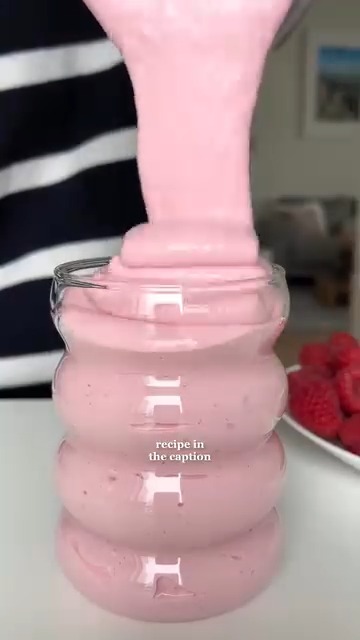
Some mornings you want a full breakfast. Other mornings you want something cold, delicious, and done before your coffee finishes brewing. This raspberry smoothie covers the second scenario perfectly — and honestly, it holds its own against the first one too.
I started making this recipe when I got tired of smoothies that tasted great but left me hungry an hour later. The fix was simple: more protein, real ingredients, and no watered-down nonsense. This version delivers all three.
What Makes This Raspberry Smoothie Worth Making
Here’s the thing about most raspberry smoothies — they lean hard on fruit juice or flavored yogurt, which spikes your sugar and skips the satiety. This recipe builds the smoothie around high-protein Greek yogurt and frozen fruit, which means you get a thick, creamy texture and a nutritional profile that actually makes sense.
One serving gives you serious protein, natural carbohydrates from the fruit, and a flavor that tastes genuinely indulgent. IMO, that’s the only kind of smoothie worth blending.
The Ingredients
Let’s break down exactly what goes into one serving of this raspberry smoothie:
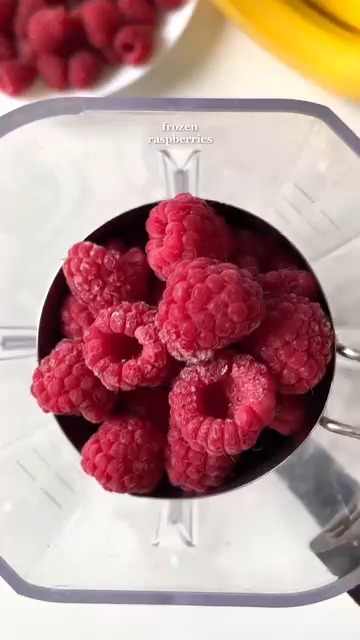
- 1 cup / 130g frozen raspberries — Frozen raspberries give you consistent flavor year-round and create that thick, cold texture without needing a mountain of ice. They’re also packed with antioxidants, vitamin C, and fiber.
- 1/2 frozen banana — This is your natural sweetener and creaminess booster. A frozen banana blends into a silky-smooth base that no amount of regular banana can replicate. Freeze your bananas when they’re at peak ripeness.
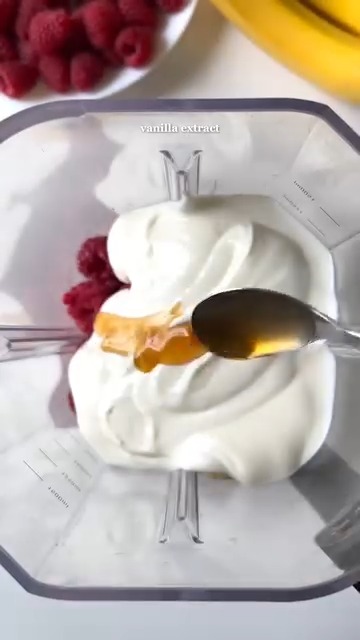
- 3/4 cup / 180ml / 190g high-protein Greek yogurt — This is the backbone of the entire recipe. Use a Greek yogurt with at least 13g of protein per 100g — that’s the spec I use, and it makes a real difference in how filling and thick the smoothie turns out.
- 1/4 cup / 60ml milk of choice — Just enough liquid to get everything blending smoothly. Use dairy milk for extra protein, almond milk for a lighter touch, or oat milk for a slightly sweeter result.
- 1/2 teaspoon vanilla extract — Small amount, big impact. Vanilla rounds out the tartness of the raspberries and makes the whole thing taste like something you’d pay way too much for at a smoothie bar.
How to Make It
Keep Your Fruit Frozen — Both Pieces
The single biggest mistake people make with this smoothie? Using fresh fruit instead of frozen. Both the raspberries and the banana need to go in frozen. This is what gives you that thick, almost sorbet-like consistency. Fresh fruit produces a thin, watery smoothie that you’ll chug in about 30 seconds and immediately regret.
Slice your bananas before you freeze them. That way, you grab half a banana quickly without wrestling a frozen whole one — trust me, I learned that one the hard way. :/
The Blending Process
Add your ingredients in this order for the smoothest blend:
- Pour in the milk first — liquid at the bottom helps the blender catch everything
- Add the Greek yogurt
- Drop in the frozen banana
- Add the frozen raspberries
- Pour in the vanilla extract
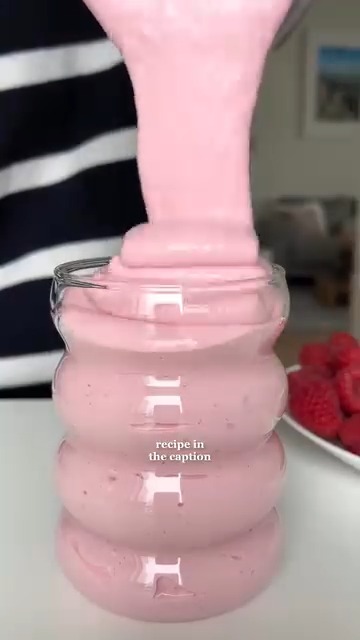
Blend on high for 45–60 seconds. The result should be thick enough that it barely pours — that’s exactly where you want it. If your blender struggles, add a small splash more milk and pulse a few more times.
The Protein Numbers You Actually Want to Know
Let’s talk about what this smoothie delivers nutritionally, because this is where it separates itself from the average fruit smoothie.
Greek Yogurt Does the Heavy Lifting
Using 190g of high-protein Greek yogurt at 13g protein per 100g means your yogurt alone contributes roughly 25g of protein to this smoothie. Add the protein from your milk choice, and you’re looking at a smoothie that rivals a solid post-workout meal.
This isn’t a coincidence — it’s the entire point of building the recipe around high-protein yogurt rather than using it as a minor add-in.
Raspberries Add More Than Just Flavor
One cup of raspberries brings about 8g of fiber, which works alongside the protein to keep you full. They also deliver a strong hit of vitamin C and manganese. FYI — raspberries have one of the highest fiber-to-calorie ratios of any fruit, which makes them an especially smart smoothie ingredient.
Choosing the Right Greek Yogurt
Not all Greek yogurt performs equally here, and this choice genuinely affects your results.
What to Look For
- Protein content: Aim for 12–15g per 100g. Anything lower and you’re essentially using regular yogurt with a marketing budget.
- Thickness: Full-fat or 2% Greek yogurt blends into a creamier smoothie than non-fat. Non-fat works, but the texture suffers slightly.
- Plain, unsweetened: Flavored yogurts add unnecessary sugar and compete with the raspberry flavor. Always go plain.
Brand Matters
Skyr (Icelandic-style yogurt) works brilliantly in this recipe if you want to push the protein even higher. It’s thicker than most Greek yogurts and hits around 15–17g of protein per 100g in many brands.
Milk Options — A Real Comparison
The 1/4 cup of milk doesn’t sound like much, but the type you choose subtly shifts the smoothie’s flavor and nutrition:
- Whole dairy milk — Adds protein, fat, and a rich flavor. Best for maximum creaminess.
- Almond milk — Lighter, slightly nutty. Lowers calories without sacrificing too much texture.
- Oat milk — Naturally sweet, which complements the raspberries well. Adds a few extra carbs.
- Soy milk — A strong dairy-free option with the highest protein content among plant milks.
Personally, I use whole dairy milk when I want this as a proper post-workout recovery drink, and almond milk when I want something a bit lighter on a rest day.
Customization Ideas That Actually Work
Once you’ve made the base recipe a few times, here’s how to build on it:
Boost the Protein Further
- Add a scoop of unflavored or vanilla protein powder — blends seamlessly with the existing ingredients
- Stir in 2 tablespoons of hemp seeds for a clean protein bump with a neutral flavor
Add More Depth
- A teaspoon of almond butter adds richness and healthy fats without overpowering the raspberry
- A small handful of frozen mango softens the tartness if raspberries feel too sharp for you
Make It a Meal
- Blend in 2 tablespoons of rolled oats to add fiber and slow-digesting carbs — perfect for breakfast
- Top it with granola and fresh raspberries and serve it as a smoothie bowl instead
Fresh vs. Frozen Raspberries: Let’s Settle This
Fresh raspberries look prettier. Frozen raspberries make a better smoothie. That’s the honest answer.
Frozen raspberries get picked at peak ripeness and immediately frozen, which locks in their flavor and nutritional content. They’re available year-round at a consistent price, and they create the thick texture this smoothie depends on. Fresh raspberries, especially out of season, often taste underwhelming and make your smoothie thin and watery.
Save the fresh raspberries for topping. Use frozen for blending. Both have their place — just not in the same role.
When This Smoothie Fits Best
This raspberry smoothie pulls real weight in a few specific situations:
- Post-workout — The protein-to-carb ratio makes it a solid recovery drink, especially if you add a protein scoop
- Breakfast on a rushed morning — Two minutes from frozen ingredients to drinkable meal
- Afternoon energy dip — Far better than reaching for something processed around 3 PM
- Meal prep — Blend the night before and store in a sealed jar in the fridge; it holds up well for 12–18 hours
This raspberry smoothie works because it takes a simple concept and executes it properly. Frozen raspberries, a frozen banana, high-protein Greek yogurt, a splash of milk, and vanilla extract — five ingredients, one blender, under two minutes.
The protein content makes it genuinely filling. The frozen fruit makes it naturally thick. The vanilla makes it taste like you actually tried. And the whole thing takes less time than waiting in a coffee shop line.
Leave a Reply